
The Story of Wassily Chair: How a Bicycle Inspired Tubular Steel Furniture Design
A Chair, Bent From a Bicycle
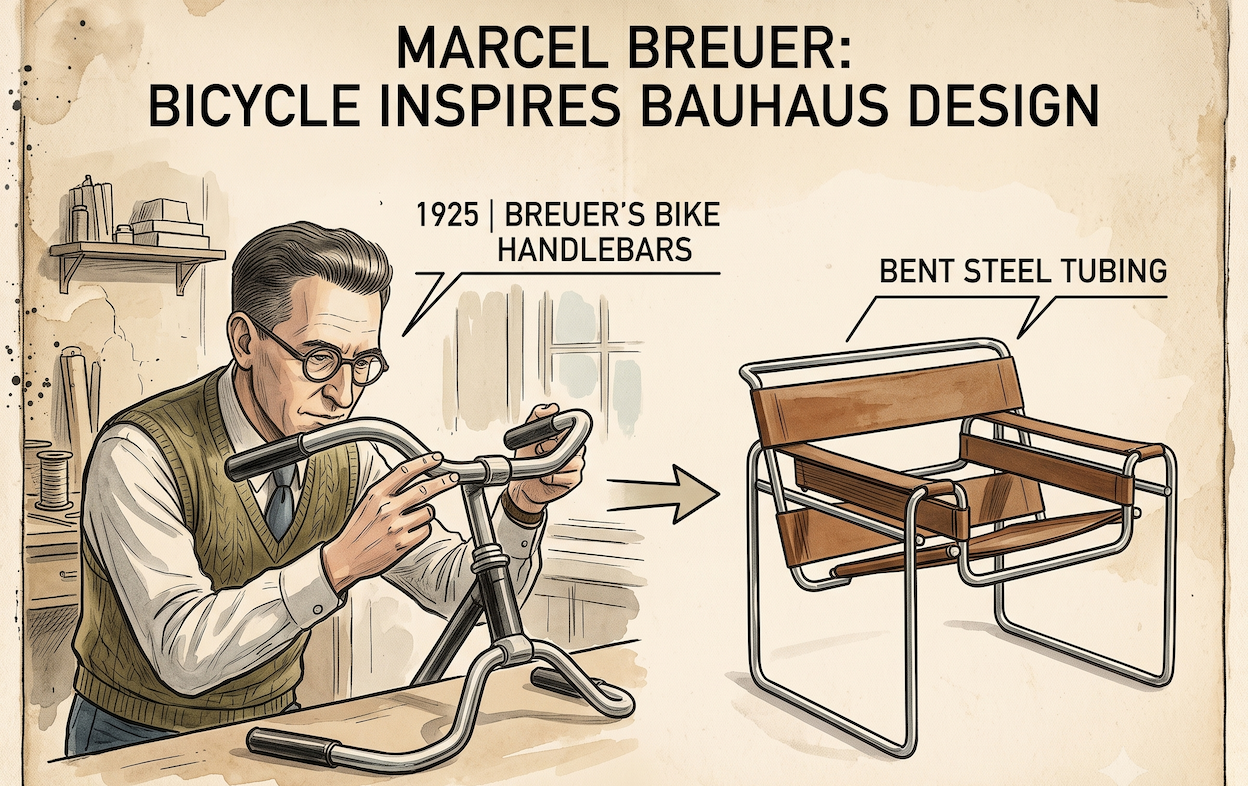
The tubular steel frame Marcel Breuer designed in 1925 — the first of its kind in furniture.
Bending the Future: How a Bicycle Inspired Modern Furniture
In 1925, Marcel Breuer bought his first bicycle. He kept looking at the handlebars — bent, seamless steel tubing, strong enough to hold a rider's full weight while weighing almost nothing.
At the time, chairs were still built the way they'd been built for centuries: solid wood, joined by hand, heavy by necessity. Breuer asked a simple question nobody else had thought to ask — what if a chair could be bent, not built?
The result was the first tubular steel chair in furniture history. It didn't just replace wood with metal. It replaced an entire logic of construction with a new one: light, structurally honest, and — for the first time — genuinely reproducible.
“Good design shouldn't be a one-of-a-kind object. It should be built to be repeated.”
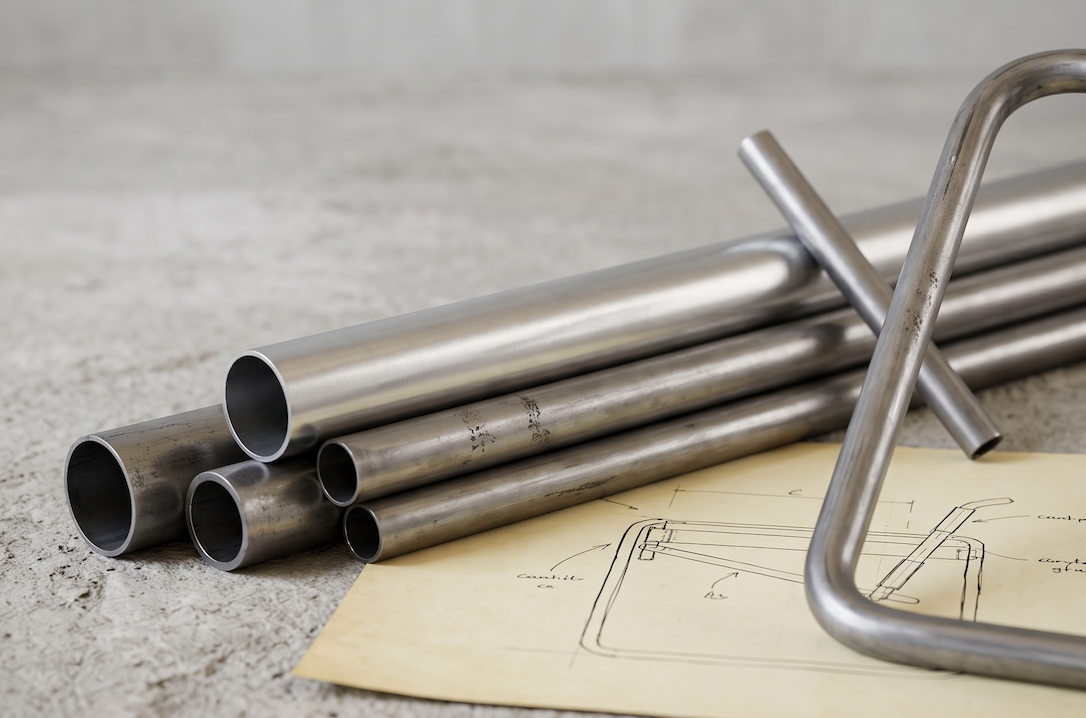
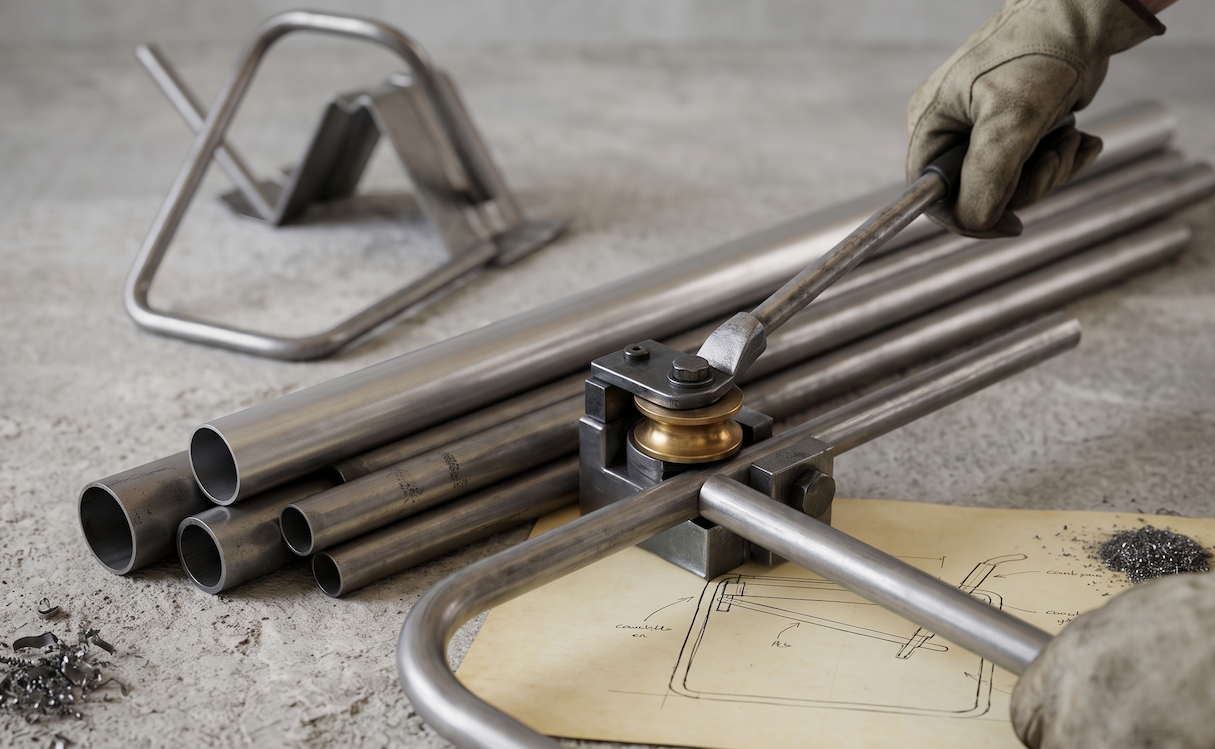
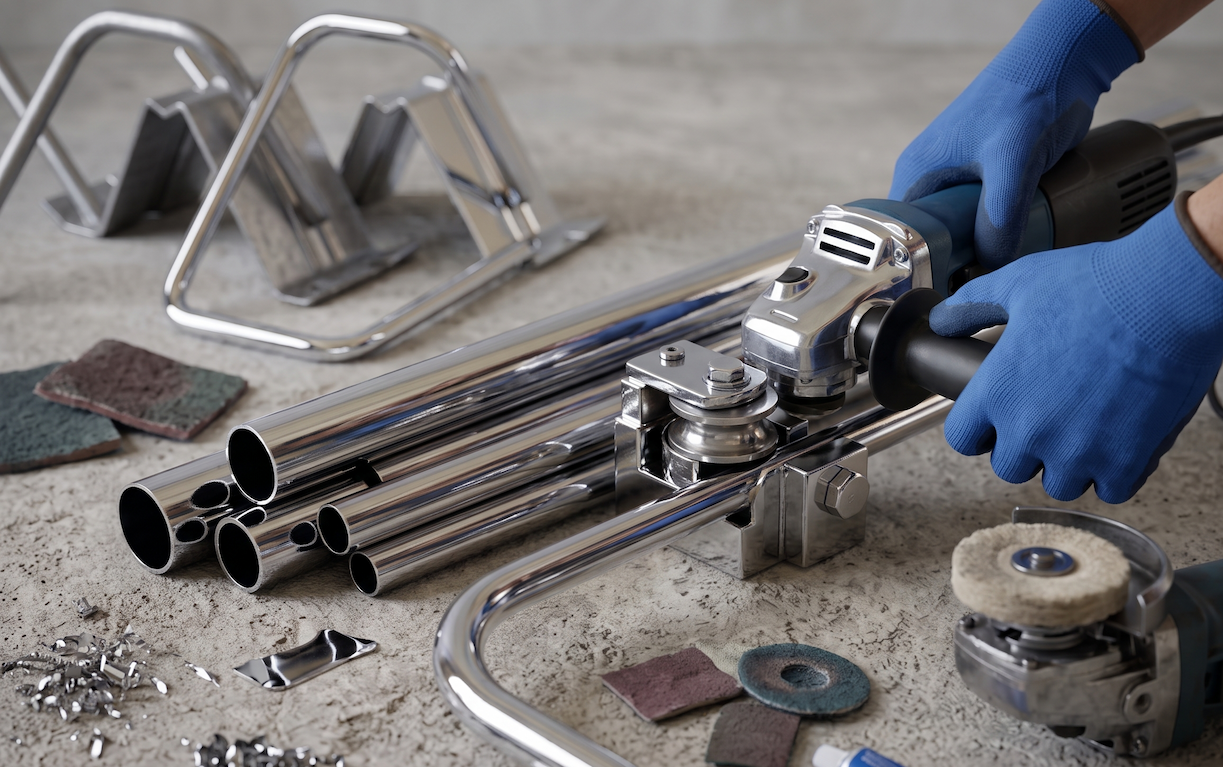
A closer look at steel before it becomes the chair you know:
Wassily
Named not for its designer, but for painter Wassily Kandinsky, who taught alongside Breuer at the Bauhaus and admired the chair enough that Breuer built him one.
